
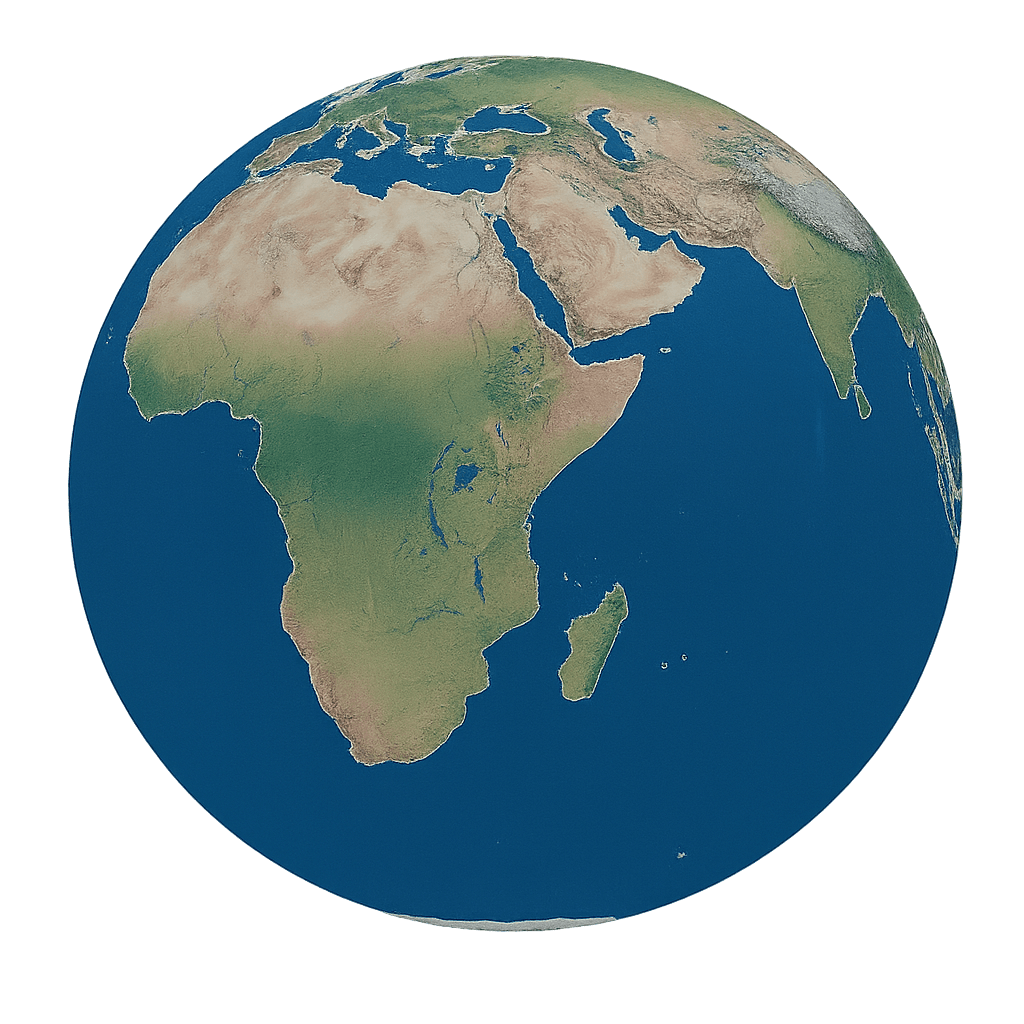
Women’s Rights & Aid Funding: UN Women warns more than half of women’s support institutions in Afghanistan could shut within a year as international aid and funding fall, threatening legal, health, education and economic services. Gender Restrictions & Public Life: Coverage marks five years since the Taliban takeover, highlighting women and girls’ disappearance from public life, education bans, and growing child marriage pressures. Herat Household Hardship: Women in Herat who are sole family providers say restrictions on work and activities have cut income and worsened daily survival costs, pushing them to demand real job access. Diplomacy & UN Access: The Taliban released two detained UN staff members in Herat after more than a week, though the reasons for detention were not clarified. Trade & Investment Links: Iran’s president orders removal of barriers to trade and transit with Afghanistan and calls for expanded cooperation, while Afghanistan and Belarus held a second joint economic and trade meeting in Minsk focused on agriculture, machinery and joint investment. Security & Local Economy Pressure: A Herat resident alleges Taliban morality police demanded cash and guarantors for a daughter’s release, underscoring how enforcement conditions can hit families financially. Sports Administration: Afghanistan left-arm spinner Noor Ahmad’s CPL participation was blocked after the Afghanistan Cricket Board revoked his NOC, with Tim Seifert named as replacement.
AGP Executive Report
Your go-to archive of top headlines, summarized for quick and easy reading.
Note: AI summary from news headlines; neutral sources weighted more to help reduce bias in the result. Feedback is welcome. Please let us know if you have any comments or suggestions about the AGP Executive Report.
Afghanistan Economy & Trade: Balkh’s business community is trying to cool fuel prices: a private firm offered 1,100 tons of petrol via auction to Mazar-e-Sharif fuel stations, selling at about $30 per ton below market price, with officials saying the discount approach will continue to meet demand. Women & Labor: A Western official says Taliban rule has pushed many Afghan women out of public work, confining former judges, doctors, teachers and civil society leaders to their homes, while access to education and employment remains restricted. Afghanistan Independence & Economic Roots: Afghanistan marked its 107th independence anniversary, with coverage highlighting King Amanullah Khan’s early push for economic independence through tax, budgeting and monetary reforms, including introducing the afghani and plans for a national bank. Sports & Talent Mobility: The Afghanistan Cricket Board revoked left-arm spinner Noor Ahmad’s NOC, ending his CPL 2026 stint with St Lucia Kings; Tim Seifert was named as his replacement.
Afghanistan Independence Day & Taliban messaging: At the 107th anniversary ceremony, Taliban officials tied “independence” to unity and security, while warning opponents they can’t destabilize the country. Humanitarian funding squeeze: UN OCHA warned that funding shortages are threatening life-saving aid as poverty and hunger worsen. Women’s economic squeeze: Reports highlight women’s labor force participation falling to about 5% under Taliban restrictions, pushing many into informal, low-paid work. Kandahar grapes to raisins: Border fighting and closures with Pakistan are cutting off exports, forcing producers to sell grapes as raisins at much lower prices. Humanitarian needs in Nangarhar: IOM says returning families are struggling in Khogyani district with limited jobs and restricted access to services. Kabul school blast fallout: UNAMA and UNICEF urged an independent investigation after an explosion injured dozens of children, amid renewed security concerns around education sites. Afghan-India ties: India says engagement with Kabul is expanding through delegations and humanitarian/development cooperation, with a technical mission upgraded in Kabul.
Kabul Education Blast: At least 42 children, aged 9–14, were injured in an explosion at a Kabul education centre on Monday. Authorities have not confirmed the cause, location details, or whether the site was targeted, and no group has claimed responsibility, prompting UNAMA to call for a full investigation and safer schools. Humanitarian Crisis & Food Insecurity: A World Food Programme country director describes families in Herat arriving with severely malnourished children and says teams have had to turn people away for lack of food, underscoring worsening hunger and economic strain. Afghan Women’s Economic Exclusion: Multiple reports highlight that women’s labour force participation has fallen to around 5% under Taliban restrictions, deepening a jobs and rights crisis. Regional Trade & Investment: A MoU to establish a joint-stock company to finance major projects, plus calls to boost ECO-region trade via connectivity and customs simplification, point to continued efforts to unlock investment despite instability. US Sanctions Ripple: The US imposed sanctions on International Criminal Court President Tomoko Akane and senior trial lawyer Abdoulaye Seye, citing ICC jurisdiction over cases including Afghanistan—raising financial and diplomatic pressure concerns.

Women’s Jobs Shock: The ILO says women’s labour force participation in Afghanistan has collapsed to 5.1% under Taliban rule, down from 16.5% in 2020, with male employment rising while women face severe limits on education, work, and movement. Food Insecurity Pressure: WFP warns many Afghans are surviving on “bread and tea,” as hunger worsens and people can’t afford food even when it’s available in markets. Investment Push: Afghanistan’s Chamber of Commerce and Investment and the Chamber of Industries and Mines signed an MoU to create a joint-stock company to pool private capital and finance major projects, including industry and mining. Fuel and Trade Strain: Iran says it hasn’t decided on recognizing the Taliban’s “Islamic Emirate,” while Afghanistan’s economic ties with neighbors continue amid uncertainty. Regional Security Ripples: A Saudi-Turkey-Pakistan defense pact is drawing debate over whether regional alliances can replace long-term reliance on the U.S. Humanitarian Returns: WFP and UN reporting link worsening conditions to large-scale returns of Afghans from Pakistan and Iran, adding pressure to an already fragile labour market.
Women’s Rights Crisis: Five years after the Taliban takeover, Afghan women and girls remain largely excluded from public life, with UN experts warning that restrictions on education, work, movement and civic participation are deepening into an entrenched control system. Education Under Pressure: A growing network of secret classrooms run largely by Afghan women is keeping thousands of girls learning despite the Taliban’s education ban, highlighting how families and NGOs are adapting to survive the crackdown. India-Afghanistan Trade Push: Afghanistan’s charge d’affaires Noor Ahmed Noor used the embassy’s “Victory Day” reception in New Delhi to call for stronger political trust and economic partnership with India, framing Afghanistan’s geography as a bridge for connectivity, transit and investment. Healthcare & Infrastructure: In Baghlan, residents renewed calls to complete a long-delayed 200-bed hospital, while Khost inaugurated a 50-bed Al-Badr Hospital built by a charitable foundation, with claims of modern equipment and free services for part of care. Regional Security & Diplomacy: Kabul also reiterated that it seeks non-interference and warns against any use of Afghan territory against other countries, as Taliban officials mark five years in power amid ongoing rights and security concerns.
Taliban Anniversary & Rights Crisis: Taliban leaders marked five years since the U.S. withdrawal and return to power in Kabul, while a UN official warned of a deepening rights emergency, including bans on girls’ secondary education and broader restrictions on women’s public life. Humanitarian & Food Security: UN OCHA says aid reached 7.4 million people in Afghanistan in the first half of 2026, but the humanitarian plan remains severely underfunded (83% unfunded), as WFP warns acute hunger is worsening for 14 million people. Trade & Investment Push: Afghanistan’s commerce minister Nooruddin Azizi urged stronger trade and new transit corridors with Uzbekistan and China, as Russian traders also visited Kabul to explore deals in dried fruits, pharma, construction, oil and gas, and healthcare. Local Economy & Infrastructure: In Ghor, residents criticized Taliban plans to divert revenue from a lead-zinc mine to a Kandahar-Uruzgan road while local roads deteriorate; in Khost, a new 50-bed hospital worth about $1m was inaugurated. Security & Regional Tensions: The Islamic Emirate rejected Pakistan’s claims that Afghan territory fuels insecurity, while reporting also highlighted ongoing clashes and internal Taliban disarmament after a commander’s surrender in Badakhshan.
Taliban-US diplomacy push: Afghanistan’s FM Amir Khan Muttaqi urged Washington to reopen its Kabul embassy and invest in mines, dams and roads, framing it as a new chapter beyond war. UN and women’s rights: UN Deputy Chief Amina Mohammed warned Afghan women and girls must not be abandoned, calling for continued support for education and economic participation as restrictions deepen. Trade and investment corridors: Afghanistan’s industry minister said the country is ready for Chinese and Uzbek investment and called for new transit routes to move exports via Uzbekistan to China. Agribusiness dealmaking: At Kabul’s agriculture and livestock exhibition, 74 cooperation agreements worth over $200M were signed to expand agricultural exports and processing. Afghan Fund finances: The Afghan Fund reported $661M+ in profits and assets reaching $4.19B, saying it exists to protect foreign-exchange reserves and stabilize the afghani. Natural disasters hitting livelihoods: UN figures put 2026 disasters at 97,320 affected across all 34 provinces, with floods and flash floods driving damage to homes, crops and infrastructure. Humanitarian access at borders: Pakistan reported 724 aid trucks entering via Torkham, underscoring ongoing logistics pressure for relief delivery.
Transit & Trade Corridors: Afghanistan’s commerce minister Nooruddin Azizi urged new transit routes linking Central Asia and China via Uzbekistan, pitching mining, agriculture, processing, energy and manufacturing investment to Chinese and Uzbek firms. Iran-Afghanistan Border & Visas: Iran’s FM Abbas Araghchi said border issues should be handled locally and claimed no obstacles to issuing visas for Afghan nationals, especially medical tourists. Humanitarian Logistics: UN says 724 vehicles carrying aid entered Afghanistan through Torkham, after Pakistan kept crossings closed to regular trade since late 2025. Women, Rights & the Economy: UN Deputy Secretary-General Amina Mohammed marked five years since Taliban return, warning Afghan women and girls must not be abandoned and need access to education and economic participation. Afghanistan’s Crisis Signals: UN reports natural disasters have affected about 92,000 people in 2026, damaging homes and livelihoods. Regional Security & Investment Narrative: As Taliban mark five years in power, Kabul’s outreach to investors continues, while UN warnings highlight a deepening rights and stability crisis. Afghan Counter-Narcotics: Afghan counter-narcotics police arrested 46 suspected drug smugglers across multiple provinces and seized illicit drugs.
Taliban Anniversary & Governance: Kabul marked five years since the Taliban’s return to power with public celebrations and claims of restored stability, but residents and UN-linked reporting point to a deeper reality: jobs, schools, and economic recovery remain major gaps. Women’s Rights & Education: Multiple reports highlight tightening restrictions on women and girls, including bans on secondary education and limits on movement and public participation, with UN experts warning that international “normalization” risks legitimizing repression. Humanitarian & Health Funding: Save the Children says acute malnutrition is rising—nearly 1 in 10 children under five are acutely malnourished—while plummeting funding has shuttered or suspended hundreds of health facilities. Economy & Investment Signals: Afghan officials again urged the U.S. to reopen its embassy and invest, including in mining and infrastructure, as Afghanistan navigates isolation and banking constraints. Security & Regional Friction: Reporting notes improved day-to-day security but persistent threats, including attacks and escalating tensions with Pakistan. Afghan Sports (Business Angle): Afghanistan’s cricket team delivered a record ODI chase vs Ireland, underscoring how sports can still generate visibility and revenue even as broader funding challenges persist.
UNESCO Education Crisis: UNESCO says Taliban education rules have barred about 2.4 million Afghan girls from secondary schooling since 2021, warning the loss will hit Afghanistan’s long-term social and economic development. Women’s Rights & Public Life: UN Women data cited in coverage says half of Afghan women leave home only once or twice a month as restrictions tighten across jobs, movement, and public participation. Taliban Anniversary & International Isolation: As Taliban marks five years back in power, officials tout “stability” and invite engagement, while UN and rights monitors warn of a worsening humanitarian and gender rights crisis. Afghanistan Economy Snapshot: A five-year review highlights trade nearing $14bn, more than 6,500 factories, and growing domestic revenue—while pointing to declining aid, banking frictions, and limited foreign investment. Women in Business: Afghanistan Women’s Chamber of Commerce reports women with official business licences have more than quadrupled to around 10,000, though market access and finance remain major hurdles. Cross-Border Security & Aid Pressure: Coverage also flags rising humanitarian needs and security risks, including displacement and aid shortfalls, as Afghanistan’s economic strain deepens. Governance & Legitimacy Debate: The Afghanistan Freedom Front says Taliban rule has created a “deep political deadlock,” arguing territorial control is not legitimacy and warning of continued economic decline and unemployment. Business Integrity Probe: Separate reporting on India’s BPTP and Kabul Chawla links alleged offshore investment flows to a luxury New York property, with investigators raising questions about beneficial ownership and money trails.
Taliban Diplomacy vs Rights Backlash: Five years after Kabul’s fall, the Taliban marked its return to power with public events and claims of “economic foundations,” while the UN and rights groups warn that tightening edicts—especially against women’s education and work—are deepening Afghanistan’s humanitarian and social crisis. Education Shock to the Economy: UNESCO says 2.4 million Afghan girls have been barred from secondary education since 2021, a direct hit to future skills, productivity, and long-term growth. Humanitarian Funding Squeeze: Multiple reports highlight worsening hunger and aid shortfalls, with millions facing acute food insecurity as international support drops and clinics close. Trade and Energy Pressure: Afghanistan’s import dependence remains stark, including petroleum needs, while economic strain is compounded by displacement and weak jobs. Security Spillovers: UN-linked reporting flags evolving regional terror networks, including AQIS activity tied to attacks and attempts to expand cells—raising risks for trade routes and investment confidence. US-Afghan Link in the Diaspora: A US consular update in Nigeria underscores ongoing diplomatic engagement that can affect Afghan-related resettlement and services.
Afghanistan’s 5-year Taliban anniversary: As Kabul marks five years since the Taliban returned to power, UN and rights groups say the country is safer from open war but still trapped by repression, with women and girls facing sweeping legal limits and a shrinking civic space. Education crisis: UNICEF says 2.6 million girls have been denied secondary education since 2021, while UN experts warn the restrictions are deepening risks like child labour and early marriage. Women’s rights and livelihoods: Reporting highlights how even small income activities are being squeezed by new rules, and UN Women notes women are being erased from public life through law and practice. Healthcare squeeze: CARE warns Afghanistan’s health system is deteriorating fast, with hundreds of clinics closed or suspended as donor funding falls. Energy and prices: Afghanistan imports over 90% of its petroleum needs, leaving fuel costs exposed to global price swings. EU stance: The EU says it supports Afghans with humanitarian aid without recognizing the Islamic Emirate, urging UN benchmarks for stability. Media freedom: Taliban released journalist Hamid Farhadi after two years in custody, following international pressure. Governance and legitimacy: Analysts argue the Taliban holds territory but lacks sovereignty in the way neighbors expect, keeping regional tensions—especially with Pakistan—front and center.
Taliban Rights Watch: UN human rights experts warn against normalizing Taliban rule, saying five years of repression has deepened gender apartheid and left a generation of girls locked out of secondary education and women from universities. Gender & Mobility Impact: UN Women reports half of Afghan women leave home only once or twice a month as restrictions tighten, with new decrees weakening legal protections. Humanitarian Pressure: Save the Children says severe child malnutrition is rising in Afghanistan, with aid cuts and clinic closures reducing access to primary healthcare for millions. Trade & Tax Ruling: Pakistan’s tax tribunal backs FBR on withholding tax exemption conditions for cooking oil and vegetable ghee exports to Afghanistan under the DTRE scheme, emphasizing import-stage advance tax collection. Regional Business Links: Iran and Afghanistan officials discuss expanding agricultural and trade cooperation, while a $30m pharmaceutical factory is reported inaugurated in Herat. Security & Governance: UNAMA says improved security is not enough for lasting stability, as Taliban restrictions and terrorism concerns continue to weigh on Afghanistan’s economy and investment climate.
Afghanistan–Iran Trade Talks: Kabul hosted talks between Afghanistan’s Industry and Commerce ministry and Iran’s Agriculture Minister, aiming to lift bilateral trade toward $10 billion, with plans to remove transit barriers, expand private-sector cooperation, and use Chabahar for exports (including refrigerated containers). UN Humanitarian Funding: OCHA said the EU pledged €10 million to the Afghanistan Humanitarian Fund to sustain life-saving aid as hunger and poverty deepen. Security vs Stability: UNAMA marked five years since the Taliban takeover, saying fighting has eased but lasting stability still hinges on easing restrictions on women and girls and addressing terrorism concerns that deter investment. Women’s Rights and Economy: UN Women reported that half of Afghan women leave home only once or twice a month under Taliban restrictions, while UN-linked reporting also highlights the economic drag from gender exclusion. Child Malnutrition: Save the Children estimates nearly 3.7 million children under five face acute malnutrition in 2026, tied to collapsing services and reduced humanitarian support. Press Freedom Crackdown: Human Rights Watch and UN reporting say Taliban authorities detained staff linked to women’s and children’s rights work, with families reportedly given no information. Local Governance Pressure: In Mazar-e-Sharif, residents say the Taliban is forcing people to buy and display its white flag, with threats for noncompliance—an added burden amid unemployment and hardship. Youth Jobs: World Youth Day coverage warns unemployment and migration pressures are rising for Afghan youth as the economy struggles to create formal work.
Education & Gender Restrictions: UNESCO says 2.4 million Afghan girls have been barred from secondary education since the Taliban returned in 2021, warning the figure could climb toward four million by 2030 if bans persist. University Tech Controls: Afghan university students in Kabul, Herat and Kandahar report a smartphone ban on campus, with notices threatening “legal action,” as the Taliban tightens access to technology. UN–Taliban Friction: The Taliban detained two Afghan staffers working for a UN political mission in Herat; the UN says it was not informed of charges and has been denied access, raising concerns about privileges and immunities. Terrorism Watch: A UN Security Council monitoring report officially attributes the November 2025 Red Fort attack in Delhi to Al-Qaeda in the Indian Subcontinent (AQIS), warning of expanding logistics and financial networks and possible efforts to set up cells in Bangladesh. Regional Business/Trade Context: Reports also highlight Afghanistan’s wider economic strain under Taliban rule, including worsening crises and restrictions that hit stability and livelihoods.
Education & Women’s Rights: UN Women says half of Afghan women now leave home only once or twice a month, citing Taliban restrictions that deepen isolation and participation limits. School Ban Impact: UNESCO warns 2.4 million Afghan girls have been shut out of secondary education since 2021, with long-term economic and social damage if the ban continues. Human Rights Pressure: Amnesty International marks five years since Taliban rule, calling the situation a persistent crisis and urging accountability and stronger humanitarian support. Agribusiness & Trade Shows: Afghanistan’s first International Agriculture and Livestock Exhibition draws large turnout, with domestic and foreign firms showcasing machinery and technologies and investors looking for new market links. Energy Investment: Russian firm Power Machines says it plans technical assessments for rehabilitation and modernization of Afghanistan’s power plants, aiming to expand generation capacity. Regional Economic Linkages: Taliban officials say they will support a prospective rail route linking Russia to India, arguing it could create jobs and boost trade revenues. Youth Jobs: ILO flags rising youth unemployment pressures, while World Youth Day coverage highlights weak job prospects and migration strain on Afghanistan’s economy.
Education Crisis: UNESCO says 2.4 million Afghan girls are barred from secondary school, up by 200,000 since last year, warning the figure could near four million by 2030 if the Taliban keeps the ban in place. Economic Fallout: UNESCO links the education restrictions to wider damage—lost skills, weaker household well-being, and knock-on effects for Afghanistan’s economy as women are also barred from universities and face limits on work. Humanitarian Pressure: HANA warns that continued deportations of undocumented Afghans from Iran could expose women and children to serious protection risks on return, including disrupted education, lack of legal identity, exploitation, and unsafe living conditions. Regional Business & Trade: Pakistan plans to host the long-delayed 14th South Asian Games in March 2027, with preparations covering financing, infrastructure, athlete training, and logistics—an event that can spur regional services and spending. Infrastructure Watch: Qosh Tepa Canal is reported nearing completion and set to become operational soon, a potential boost for irrigation and farm output. Private Sector Signals: Silentium Defense opened a U.S. headquarters in Apex, reflecting growing defense-tech investment tied to drone-era demand.
Agribusiness & Trade: Afghanistan’s first international agriculture and livestock exhibition opened with officials saying the sector drives about 35% of GDP and pushing farmers toward modern cattle and livestock farms to expand meat and milk output and market access. Water & Jobs: The Qosh Tepa Canal is nearing completion and is expected to become operational soon, with work on headworks, bridges and a second phase aimed at boosting northern agricultural production and employment. Human Capital & Growth: UNESCO estimates about 2.4 million Afghan girls are excluded from secondary schooling under Taliban policy, warning the ban could rise to nearly 4 million by 2030 and further deepen poverty. Local Industry Pressure: In Herat, coppersmiths report demand is fading as households shift to cheaper aluminum goods and can’t afford copperware, pushing artisans toward repairs instead of new sales. Education & Rights: AFP reports fathers across Afghanistan are struggling with the emotional and practical fallout of the secondary education ban, with many questioning the religious justification. Business Environment: Taliban authorities have suspended licenses of nine private universities, raising concerns that restrictions are tightening further. Accountability & Justice: US-based rights groups sued the Trump administration over sanctions targeting the International Criminal Court, arguing the move blocks victims’ access to justice.
TAPI Momentum in Herat: Afghanistan’s Deputy Prime Minister for Economic Affairs Abdul Ghani Baradar met Turkmenistan officials to review progress on the TAPI gas pipeline and related infrastructure, with both sides signaling renewed push on energy and logistics links. Cross-border Finance Snapshot: Kabul’s Sarai Shahzada money exchange market reports nearly 1,500 licensed money exchangers operating nationwide (about 800 in Kabul), as tighter banking rules push more currency and transfer services into the exchange sector. Healthcare Access Pressure: Remote Herat women say declining humanitarian support and a shortage of female doctors are forcing long, costly travel for care—an added burden on already stretched households. Martyrs/Disability Payments: Afghanistan’s Martyrs and Disabled Affairs Ministry says 8bn afghanis of an 11bn afghanis allocation has been paid, with biometric checks underway and fictitious cases removed. Sports & Economy Angle: Afghanistan secured direct qualification for the 2027 ODI World Cup after beating Ireland, a boost for cricket-linked sponsorship and visibility.
Sign up for:
Afghanistan Business Journal
The daily local news briefing you can trust. Every day. Subscribe now.
Check Your Email!
We sent a one-time activation link to: .
Confirm it's you by clicking the email link.
If the email is not in your inbox, check spam or try again.
Welcome back!
is already signed up. Check your inbox for updates.